AUDI 06E-906-401 Sensor
fits make: Audi.
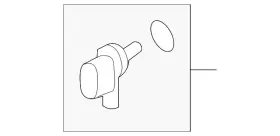
( Manufacturer Part Number: 06E-906-401 ), ( Part Type: Sensor ), ( Genuine Oem: Yes ), ( Manufacturer Warranty: 1 Year ), ( Fitment Type: Direct Replacement ), ( Parts Included: Only Part Reference 22 On The Diagram Is Included )
Review AUDI Genuine Speed Sensor
The Audi 06E-906-401 sensor is a crucial component of the Audi's engine management system, designed to ensure optimal engine performance and emissions compliance. This particular sensor is specifically identified as a lambda sensor, which is responsible for measuring the amount of unburnt hydrocarbons in the exhaust gases.
The lambda sensor is positioned in the exhaust system, downstream of the catalytic converter, and uses a zirconia sensor element to detect the presence of oxygen in the exhaust gases. The sensor converts the oxygen concentration into an electrical resistance value, which is then transmitted to the engine control unit (ECU). The ECU uses this information to adjust the fuel-air mixture to maintain the ideal lambda value of 1.0, indicating a perfect balance of fuel and air for complete combustion.
The Audi 06E-906-401 sensor is a high-temperature sensor, capable of withstanding the harsh conditions of the exhaust system. It is designed to provide stable and accurate readings over a wide operating temperature range, typically between 250 and 1000 degrees Celsius. The sensor's compact design, with a diameter of approximately 38mm and length of 80mm, ensures a snug fit in the exhaust system.
The sensor housing is made of high-strength materials to withstand the thermal and mechanical stresses in the exhaust system. The sensor is also shielded to protect against electromagnetic interference, ensuring reliable and accurate readings.
The Audi 06E-906-401 sensor is an essential component in maintaining the efficiency and longevity of the engine, as well as ensuring compliance with emissions regulations. Regular maintenance and replacement, typically every 60,000 to 80,000 miles, is recommended to ensure optimal performance and longevity.
In summary, the Audi 06E-906-401 sensor is a high-performance lambda sensor designed for the Audi engine management system. It measures the oxygen concentration in exhaust gases to ensure optimal fuel-air mixture and maintain engine efficiency and emissions compliance. The sensor is compact, high-temperature, and shielded, ensuring stable and accurate readings over a wide operating temperature range. Regular maintenance and replacement are essential to ensure optimal performance and longevity.
Audi 03F-906-401 Sensor: Weighing the Pros and Cons
The Audi 03F-906-401 sensor is a crucial component in the Audi's Engine Control Unit (ECU) system, responsible for monitoring the engine's oxygen level. Replacing a faulty Audi 03F-906-401 sensor can significantly improve the vehicle's performance and fuel efficiency. In this analysis, we will discuss the primary advantages and disadvantages of purchasing and installing this sensor.
Pros:1. Improved Engine Performance: A faulty oxygen sensor can cause poor fuel economy, decreased engine performance, and increased emissions. Replacing the sensor can help restore optimal engine performance, ensuring better fuel efficiency and reduced emissions.
2. Enhanced Emissions Control: A functioning oxygen sensor is essential for maintaining proper emissions control. A malfunctioning sensor can lead to failed emissions tests and potential fines. By replacing the sensor, drivers can ensure their vehicle complies with emissions regulations.
3. Enhanced Driveability: A new oxygen sensor can result in a smoother, more responsive driving experience. Improved engine performance can lead to better acceleration and overall vehicle responsiveness.
4. Long-Term Cost Savings: Replacing the oxygen sensor can help prevent more extensive engine damage, saving you from expensive repairs down the line.
5. Easy Installation: The Audi 03F-906-401 sensor is relatively easy to replace, making it a cost-effective solution for those who prefer doing the job themselves.
Cons:1. Cost: While the sensor itself may be affordable, the cost of replacing it includes the labor charges if you choose to have it installed by a professional. The total cost can range from moderate to substantial, depending on your location and the shop's rates.
2. Potential Errors: Installing the sensor incorrectly or using a low-quality replacement part can result in ongoing issues and potential damage to the engine. Ensuring that the replacement part is of high quality and installed correctly is essential.
3. Diagnosing the Issue: Before replacing the oxygen sensor, it's crucial to diagnose the root cause of the problem effectively. Misdiagnosing the issue could lead to unnecessary parts replacement and labor costs.
Conclusion:In conclusion, replacing the Audi 03F-906-401 sensor comes with several advantages, including improved engine performance, enhanced emissions control, and long-term cost savings. However, there are also potential disadvantages, such as the initial cost and the need for accurate diagnosis. To maximize the benefits and minimize the downsides, it's essential to choose a high-quality replacement sensor and ensure that it is installed correctly. Ultimately, the decision to replace the sensor should be based on a thorough assessment of your vehicle's condition and your personal priorities.
Recommendation:If you're experiencing symptoms of a faulty oxygen sensor, such as poor fuel economy, decreased engine performance, and failed emissions tests, it's recommended to replace the Audi 03F-906-401 sensor. To make the most of your investment, consider purchasing a high-quality replacement sensor from a reputable parts supplier and ensuring that it is installed correctly by a professional mechanic or following a detailed installation guide if you're doing the job yourself. This approach will help you enjoy the benefits of improved engine performance and long-term cost savings while minimizing the risks and disadvantages.
Details:
Parts must be resalable and in the original packaging. Genuine Audi Parts. Shipping Carrier substitutions may be made at our determination in an attempt to reduce shipping cost the customer. Gas, 2015 -18.
Gas, 2016 -18. Electrical parts are not returnable.
part #: 06e906401 prices
- $51.99-$123.60
specifications reppchargers:
- for makes: Audi
- mpn: 06e-906-401
- part type: Sensor
- genuine oem: Yes
- manufacturer warranty: 1 Year
- fitment type: Direct Replacement
- parts included: Only Part Reference 22 On The Diagram Is Included
offer reppchargers:
- started: March 12, 2025
- options: Ship-to-home
- availability: In Stock
- sold: 0
- quantity: 4
general reppchargers:
- condition: New
- Air Fuel Delivery > Turbos, Superchargers Intercoolers > Superchargers Parts
payments reppchargers:
- other
- credit card: Diners-club
- wallet: Paypal
seller reppchargers:
- rating: 97.3%
- city: Henderson, Nevada
- # reviews: 3945
returns reppchargers:
- time: 30 Days
- paid by: Buyer
- policy: Returns Accepted
shipping reppchargers:
- service: Standard
- type: Fixed
- cost: $0.00
- class: Standard
- transit: 5-12 Days
Audi 06E-906-401 Is Similar To:
- Audi 06e-103-239-h Genuine Pin (59.7% similar) Product genuine audi pin 06E-103-239-H. Parts must be resalable and in the original packaging. Gas, 2015 -18. Electrical parts are not returnable. Shipping carrier substitutions may be made at our determination in an attempt to reduce shipping cost the customer...(December 11th, 2024)
- Genuine 15691vnmr For 2010-2016 Audi S5 Supercharger Oil 2014 2011 2012 2013 (19.5% similar) Parts geek - for 2010 -2016 audi s5 supercharger oil genuine 15691VNMR 2014 2011 2012 2013 2013 : review fitment notes to ensure proper fit condition: new brand: notes: 150 ml 12 month warranty vehicle: engine: 2013 -2016 S5, 2010 - 2012 S53.0L V6...(January 13th, 2025)
- Genuine 96217xnhf For 2014-2020 Audi Sq5 Supercharger Oil 2015 2016 2017 2018 (19.3% similar) Parts geek - for 2014 -2020 audi SQ5 supercharger oil genuine 96217XNHF 2015 2016 2017 2018 2018 : review fitment notes to ensure proper fit condition: new brand: notes: 150 ml 12 month warranty vehicle...(January 14th, 2025)
- Genuine 48225ztwc For 2013-2016 Audi Q5 Supercharger Oil 2014 2015 3.0l V6 (19.8% similar) Parts geek - for 2013 -2016 audi q5 supercharger oil genuine 48225ZTWC 2014 2015 3.0L v6 V6: review fitment notes to ensure proper fit condition: new brand: notes: 150 ml 12 month warranty vehicle: sub model: engine: Q5PREMIUM plus 3.0L V6, Q5PRESTIGE...(January 14th, 2025)
- Audi 06e-145-105-s Genuine Drive Unit (54.1% similar) Gas, 2016 -18. Shipping carrier substitutions may be made at our determination in an attempt to reduce shipping cost the customer. Electrical parts are not returnable. Gas, 2015 -18. Genuine audi parts. Parts must be resalable and in the original packaging...(January 16th, 2025)
- Ntk C687 30-44 Ngk Inlet Supercharger Pressure Sensor For 2009-2017 Audi A6 Quattro Au (32.5% similar) Gk NT inlet supercharger pressure sensor for 2009 -2017 audi a6 quarto au: status: in stock...(February 9th, 2025)
- Ntk Sx-5acg Ngk Inlet Supercharger Pressure Sensor For 2013-2015 Audi A8 Quattro Ac (20% similar) Gk NT inlet supercharger pressure sensor for 2013 -2015 audi a8 quarto ac: status: in stock...(February 9th, 2025)
- Ntk Sx-56m7 Ngk Inlet Supercharger Pressure Sensor For 2013-2015 Audi Q5 3.0l V6 Air Lw (19.4% similar) Gk NT inlet supercharger pressure sensor for 2013 -2015 audi q5 3.0L v6 air Le: status: in stock...(February 9th, 2025)
- Ntk C698 64-58 Ngk Inlet Supercharger Pressure Sensor For 2010-2017 Audi S5 3.0l V6 Air Ft (28.3% similar) Gk NT inlet supercharger pressure sensor for 2010 -2017 audi s5 3.0L v6 air ft: status: in stock...(February 10th, 2025)
- Ntk Sx-1hzs Ngk Supercharger Pressure Sensor For 2018-2019 Audi Q7 3.0l V6 Air Fuel Sj (19.5% similar) Gk NT supercharger pressure sensor for 2018 -2019 audi q7 3.0L v6 air fuel SJ: status: in stock...(February 10th, 2025)
- Ntk Sx-dk8e Ngk Supercharger Pressure Sensor For 2016-2017 Audi Q5 3.0l V6 Air Fuel Ub (19.5% similar) Gk NT supercharger pressure sensor for 2016 -2017 audi q5 3.0L v6 air fuel bu: status: in stock...(February 10th, 2025)